Kohinoor Product
Kohinoor Super Value Authentic Basmati Rice (25% Extra)
Read MoreAuthentic Kayastha-Style Vegetarian Biryani




Kathal biryani is a much-loved vegetarian biryani made with raw jackfruit, prized for its meaty bite and rich, slow-cooked flavour. It holds a special place in Kayastha cuisine, where kathal (raw jackfruit) is treated almost like meat and cooked with the same care, spices, and dum technique.
This guide explains the full Kathal biryani recipe in a simple way, in true Kayastha style. It covers how to choose the right rice, fry and marinate the jackfruit, parboil the grains, layer properly, and cook on dum. Follow each step, and you can make an authentic vegetarian biryani at home with better results.
To get the right taste, you need good-quality ingredients. Each one plays an important role in flavor and texture.
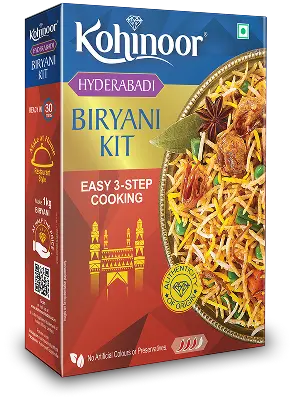
For ease, you can also use a Hyderabadi biryani kit from Kohinoor. It gives you a ready spice mix and saves time while keeping the flavour balanced.

The chicken base decides the final taste of your biryani. Do not rush this step.
A well-marinated base is what makes a true chicken biryani recipe's basmati rice taste rich & layered.
Rice is just as important as the chicken. It must be cooked to the right stage. Wash the rice 2-3 times to remove excess starch. Soak it for 30 minutes. This helps the grains cook evenly. Boil water with salt and whole spices. Add the soaked rice. Cook until it is about 60-70 percent done. The grain should break with slight pressure but still hold shape.
Drain the rice immediately. Do not overcook it. This step is important for perfect dum biryani rice. Parboiling matters because the rice will cook further during dum. If you fully cook it earlier, it will turn soft and sticky later.
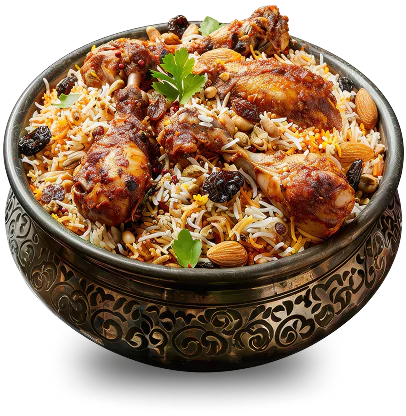
Layering is what gives biryani its signature look and taste. Follow the order carefully.
Keep layers medium in thickness. Very thick layers do not cook evenly. If you do not have a handi, use a heavy-bottomed pot with a tight lid. Even layering helps heat spread evenly and improves flavour. This is a key step in Hyderabadi biryani step-by-step cooking.
Dum cooking is what brings everything together. It traps steam and builds aroma.
Low heat allows slow cooking. This helps the rice and chicken cook together without burning. You can check doneness by smell. A rich aroma will start to come out when it is ready. Do not open the lid during cooking. After turning off the heat, let it rest for 10 minutes. This helps settle the layers. This is the final stage of how to make dum biryani properly.
Serve the biryani by gently lifting from the side. This helps keep layers intact. Do not mix too much. Serve hot with raita or mirchi ka salan for a complete meal.
To fix these, always use the best rice for biryani, follow proper marination time, and ensure the dum is sealed well. Small steps make a big difference in the final dish. Making Hyderabadi dum biryani at home becomes easier when each step is done with care. From choosing the right rice to proper layering and dum cooking, every stage adds to the final taste. Use good quality ingredients, follow the process patiently, and avoid rushing. With practice, you can enjoy a flavourful and well-balanced biryani every time.
Discover the finest range of Kohinoor Basmati Rice Products
Kathal Biryani is made with raw jackfruit (kathal) marinated in spiced yoghurt and slow-cooked in aromatic layers with basmati rice using the traditional dum method.
Yes. It originates from Kayastha households in North India, particularly Lucknow and Allahabad, as a celebrated vegetarian alternative to meat-based biryanis.
An extra long, aged basmati like Kohinoor Classic Gold Basmati is ideal, it stays separate during dum cooking and complements the bold spices perfectly.
Fresh raw jackfruit gives the best texture. If using tinned, choose young green jackfruit in brine, rinse thoroughly and pat dry before marinating.
Qisse Kuchh Khaas is Kohinoor India's YouTube series uncovering rare heritage Indian recipes and the cultural stories behind them, celebrating India's diverse food traditions.